
(no title)
sk8ingdom | 9 years ago
At the lowest level, things are definitely a horrific mosaic of "temporary solutions, strung together by proverbial duct tape". The good news is that there's a good bit of oversight. Even if my analysis on a flight-critical component is a complete and total abuse of physics (either due to my own incompetence, rushed schedule, or limited budget), it still has to go through my manager, an internal review (with many other experience engineers), validation testing (limit load testing, vibration characterization, etc.), and a third party review by a regulatory agency ALL before first flight. Does it take a while? Absolutely, because the consequences of an incorrect air-frame structural analysis can be dire. Is it perfect? Not even close, but it's pretty good. When field issues DO arise, we have a failure investigation team that works around the clock to address the issue. And this is for unmanned aircraft--in commercial it's even more rigorous. Spacecraft? An even higher level or rigor.
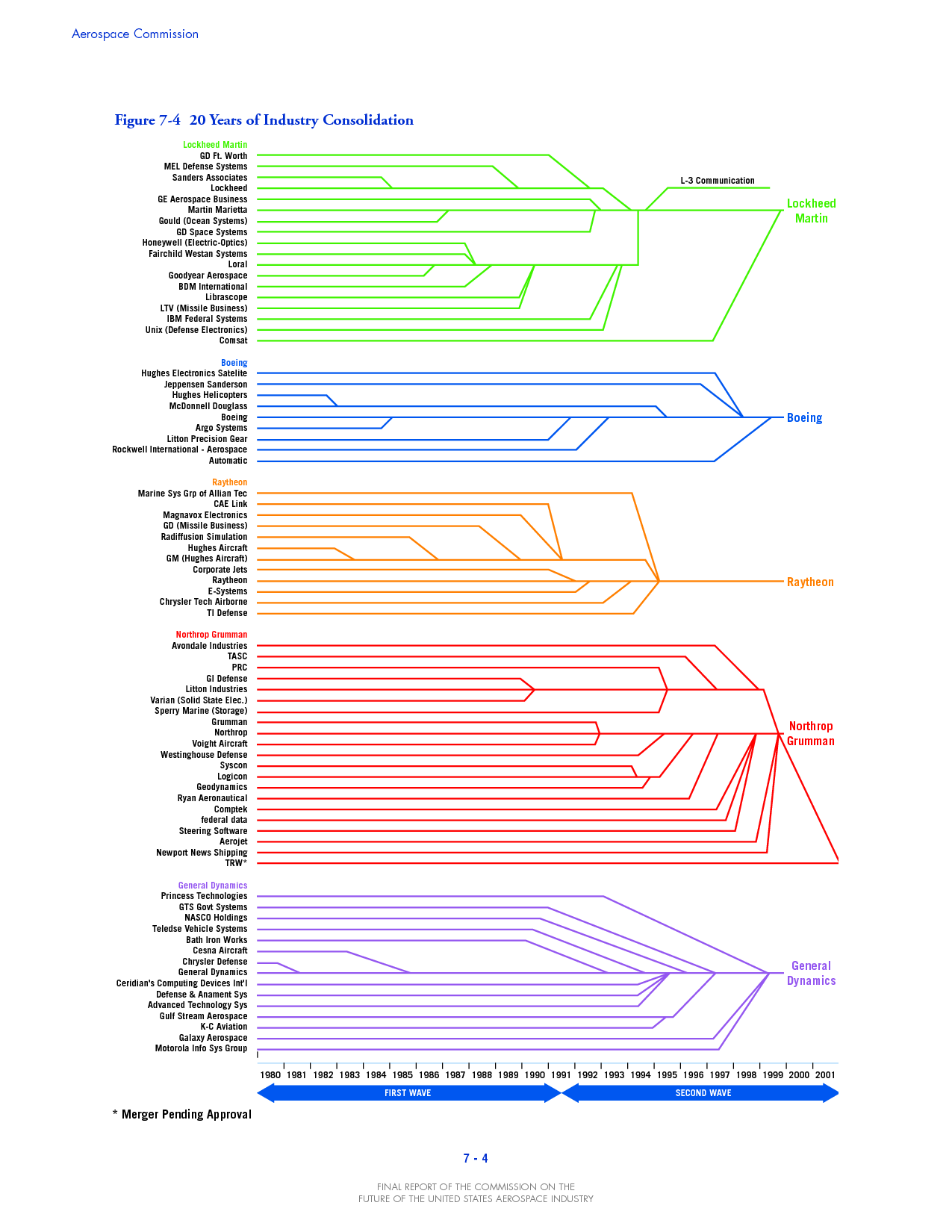
When aeronautical / aerospace engineers DO screw up, you definitely hear about it--usually because lives are lost. A single failure can lead to a company going under and being purchased by a competitor as seen in the consolidation of aerospace companies[0]. In most web programming applications, mistakes are much more forgiving. At worst, a bad commit makes it to production code which usually only manifests as lost revenue (either through security breach, downtime, loss of consumer confidence, etc.). I have to imagine that production code on a medical device (say a pacemaker) is more heavily scrutinized than JavaScript includes in a header file, but I could be wrong. Web is a VERY fast industry because it can afford to be--the reward for using new, bleeding edge technology, is often worth the risk because at the end of the day it's all financial.
I do think "everything is [sort of] a mess, once you get close enough to notice". Some other articles on the phenomenon: 1. Everything is Broken [1]: Since programming technology moves so fast, everything is literally strung together because "if it works, it's good enough".
2. Programming Sucks [2]: Everyone has an opinion and since programming is literally working with pure thought, it's objectively difficult to get people to agree.
3. The Expert [3]: Communication between managers and engineers is (and always has been) terrible--having people who can bridge this gap can really make or break an organization.
4. Apathy [4]: At the end of the day, most people are just collecting their pay check and don't care that much. 5. Bullshit Jobs [5]: Most jobs are not really mission critical.
[0] https://theblogbyjavier.files.wordpress.com/2012/09/3874434....
[1] https://medium.com/message/everything-is-broken-81e5f33a24e1...
[2] https://www.stilldrinking.org/programming-sucks
[3] https://www.youtube.com/watch?v=BKorP55Aqvg
[4] http://www.hanselman.com/blog/EverythingsBrokenAndNobodysUps...
No comments yet.