
(no title)
fzzt | 3 years ago
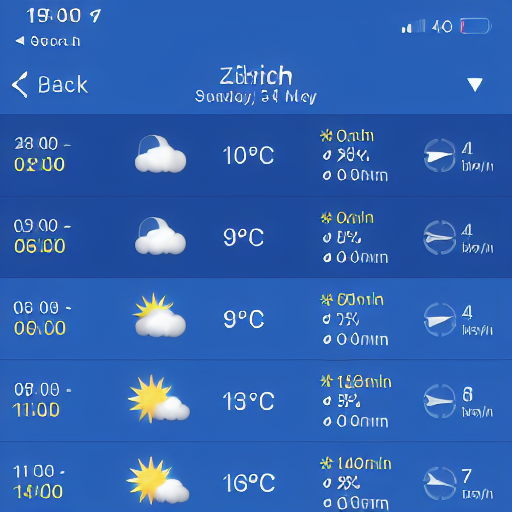
There's something to be said about compression algorithms being predictable, deterministic, and only capable of introducing defects that stand out as compression artifacts.
Plus, decoding performance and power consumption matters, especially on mobile devices (which also happens be the setting where bandwidth gains are most meaningful).
kevincox|3 years ago
The optimal lossy compression algorithm would be based on humans as a target. it would remove details that we wouldn't notice to reduce the target size. If you show me a photo of a face in front of some grass the optimal solution would likely be to reproduce that face in high detail but replace the grass with "stock imagery".
I guess it comes down to what is important. In the past algorithms were focused on visual perception, but maybe we are getting so good at convincingly removing unnecessary detail that we need to spend more time teaching the compressor what details are important. For example if I know the person in the grass preserving the face is important. If I don't know them then it could be replaced by a stock face as well. Maybe the optimal compression of a crowd of people is the 2 faces of people I know preserved accurately and the rest replaced with "stock" faces.
anilakar|3 years ago
behnamoh|3 years ago
Xcelerate|3 years ago
nl|3 years ago
It's pretty easy to add this if you wanted to.
But a better method would be to fine tune on a bunch of machine-generated images of words if you want your model to be good at generating characters. You'll need to consider which of the many Unicode character sets you want your model to specialize in though.
cma|3 years ago
montebicyclelo|3 years ago
shrx|3 years ago