
(no title)
cbracken | 2 years ago
Agreed that the UI for Japanese train ticket machines can be confusing for first-time users such as foreign visitors, but foreign visitors aren't the primary use case. These machines are designed to be familiar and fast for the bulk of their users: residents of Japan who know how the train system works. Stations need to move massive numbers of people through these machines quickly, and this layout is incredibly efficient for that.
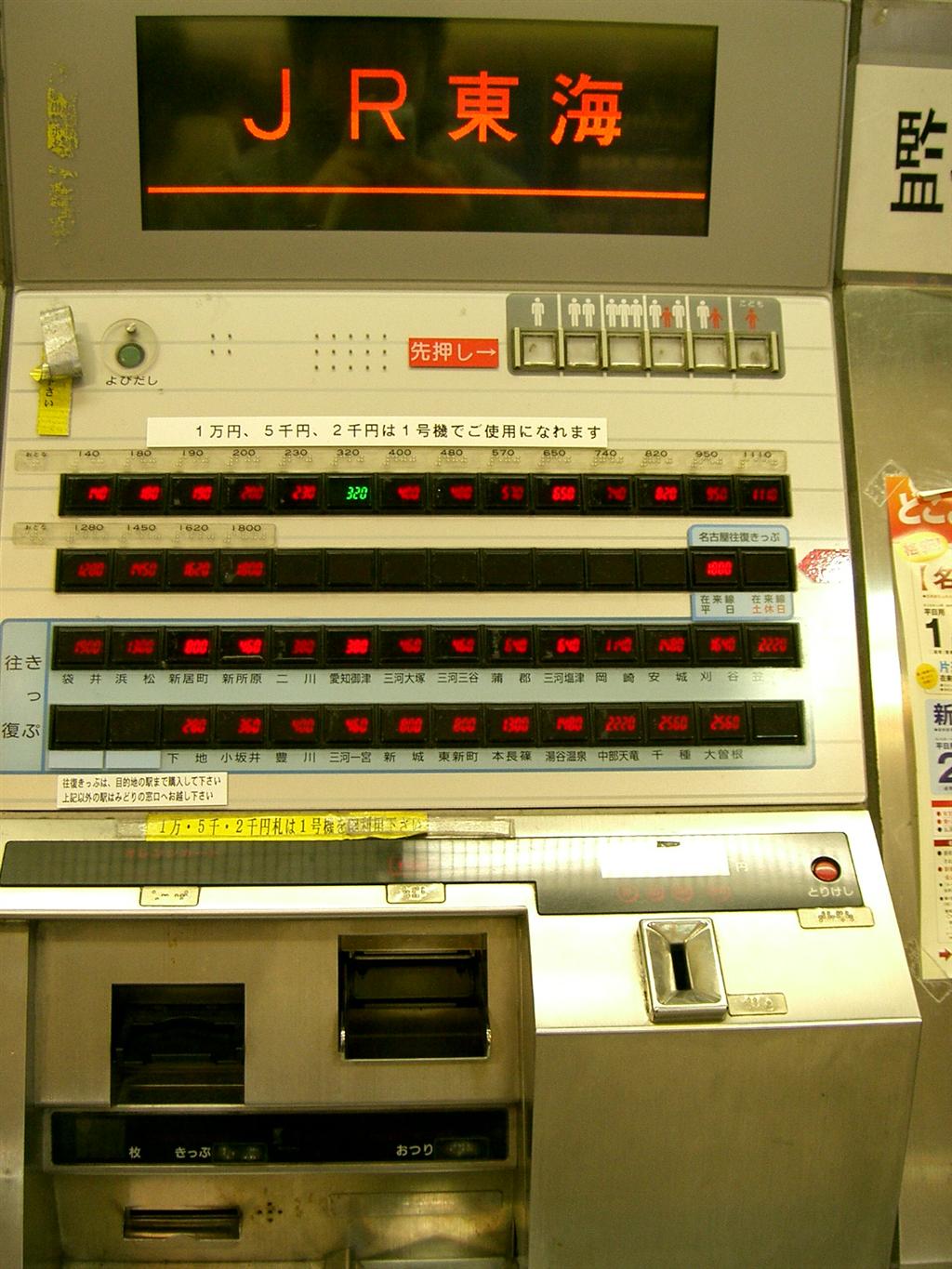
Older terminals used a very similar layout of two groupings [1]:
1. physical pushbuttons with prices displayed using 7-segment LEDs
2. physical pushbuttons for most common multi-passenger sets
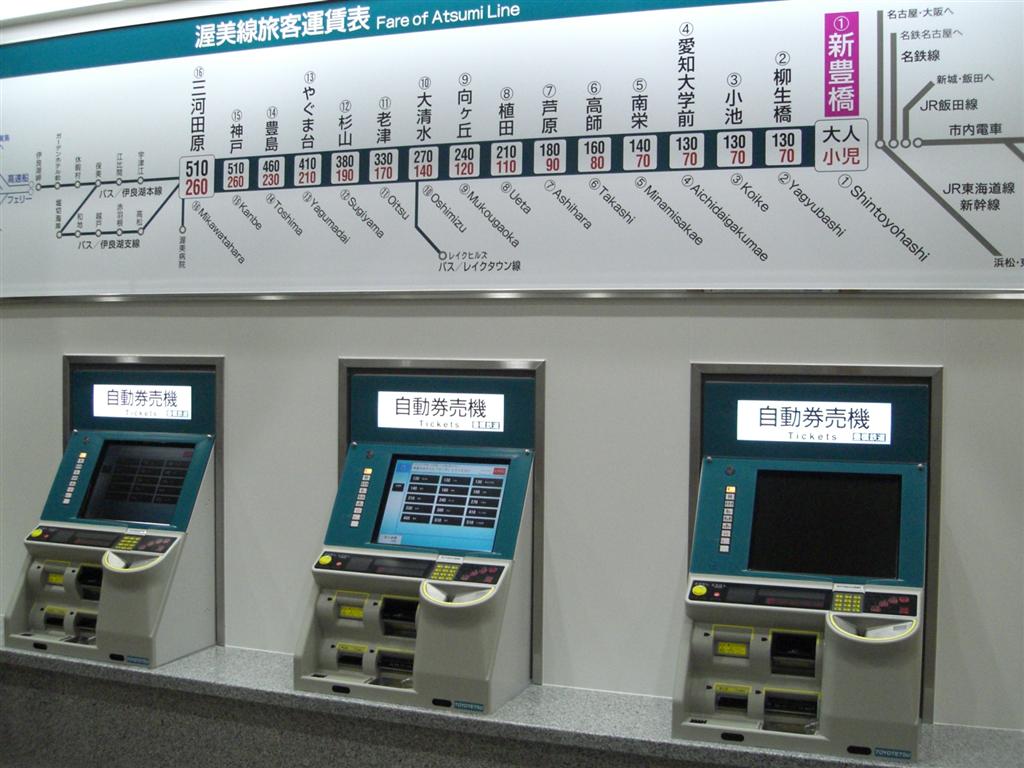
The touchscreen terminals provide this exact same layout, which provided continuity as the changeover happened, and kept the lines at the machines moving quickly. They're also freakin' brilliant when it comes to minimising the button-presses required to buy tickets. e.g. two parents and a kid going to a station that's 400-yen from here? Press the "two adults, one kid" button, then the fare. You're done. Fare zones are listed on a large train network map usually posted right above the machines with both adult/child prices [2], but locals almost always know where they're going and how much.
Given how heavily-trafficked Japanese stations are, it's way more critical to minimise the time required to use the machines and keep the lines flowing than it is to provide an easy experience for foreign visitors. Compare to e.g. Montréal where even users familiar with the metro can spend upwards of a minute to buy a ticket or recharge an Opus card.
[1] https://livedoor.blogimg.jp/ticket4_ta/imgs/f/d/fdfe28d7.jpg
[2] https://livedoor.blogimg.jp/ticket4_ta/imgs/4/9/4987e9ba.jpg
fomine3|2 years ago